Dec
Amazon
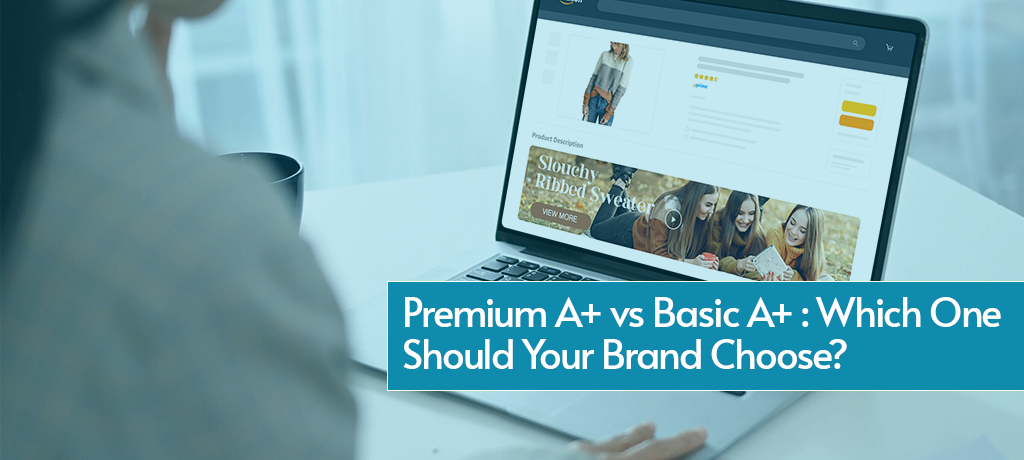
Premium A+ vs basic: which one to choose
Amazon gives you two options to upgrade your product pages: Basic A+ Content and Premium A+ Content. Both help you improve clarity, trust, and conversion. But if you work with a 3P partner like Prime Retail Solution (PRS), the choice between the two affects more than design. It influences your pricing strength, PPC performance, inventory planning, and long-term growth across Amazon.
In this guide, you’ll learn what each option does, how they differ, how to get Premium A+ Content on Amazon, and which one your brand should choose based on real marketplace conditions.
This breakdown is written so you can make a clear, confident decision that supports your brand’s sales, visibility, and competitive position.
Why A+ Content Matters When You Sell Through a 3P Partner
When you sell through a professional 3P seller like PRS, your product pages are the center of your success. Your 3P partner manages your inventory, pricing, PPC, catalog health, and brand protection. Strong A+ content supports every part of that ecosystem.
Here’s why it matters:
- You give shoppers a clear understanding of your product.
- You reduce confusion and lower return rates.
- You improve conversion rates, which boosts your ranking.
- You strengthen your brand’s identity across Amazon.
A+ content is not just a visual upgrade. It is a performance tool that connects directly to your marketing efficiency and organic visibility.
How PRS uses A+ content strategically
A strong 3P partner relies on A+ content to:
- Keep your brand message consistent
- Help you win the Buy Box by improving listing quality
- Support MAP (Minimum Advertised Price) by increasing perceived value
- Protect your brand from unauthorized sellers
- Improve PPC efficiency by stabilizing conversion signals
Because PRS manages the full retail cycle, the right A+ decision directly affects your long-term success.
What Basic A+ Content Includes
Basic A+ Content is the standard upgrade available to most brand-registered sellers. It uses clean image-and-text modules to help shoppers understand your product better.
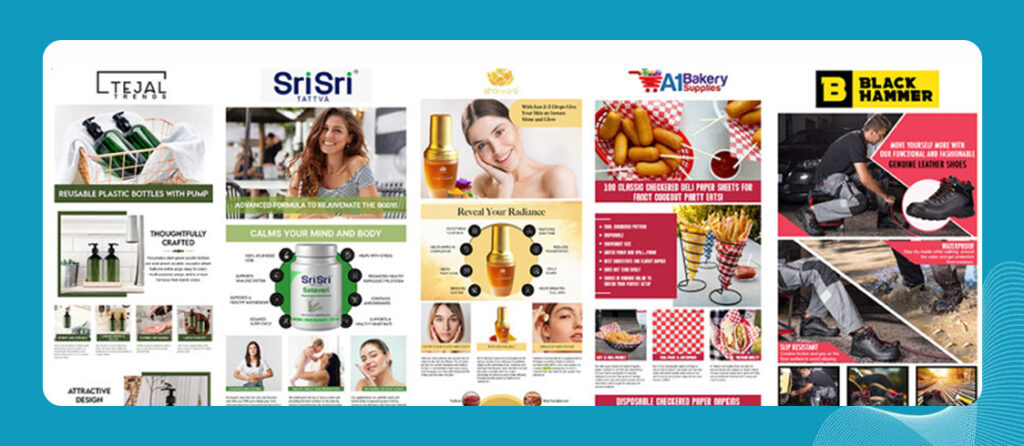
What you get with Amazon Basic A+ Content
Basic A+ includes:
- Up to five modules
- Standard image/text layouts
- Comparison charts
- Feature callouts
- Mobile-friendly design
- Clear product storytelling
This is sometimes referred to as Amazon Basic A+ Enhanced Marketing Content.
Amazon Basic A+ content size and guidelines
Amazon provides fixed sizes for each module. These follow Amazon A+ content guidelines, which include:
- 970px or 1464px width (based on module type)
- Clean, readable text
- No pricing
- No claims that violate Amazon policies
- High-resolution images
These rules protect your listing from suppression or compliance issues.
When Basic A+ content is enough
Basic A+ works well when:
- You are new to Amazon
- Competition is still low
- Your product needs simple explanation
- You want a clean listing without heavy design
For many early-stage brands, Basic A+ provides a strong foundation.
Limitations of Basic A+ content
Basic A+ does have limits:
- No video
- No interactive modules
- No scrolling carousel layouts
- Less immersive storytelling
- Harder to stand out in a competitive category
If your category is crowded or your CPCs are rising, Basic A+ may not give you enough differentiation.
What Premium A+ Content Includes
Premium A+ Content is the advanced, more immersive version. It uses rich visuals to create a deeper experience for shoppers.
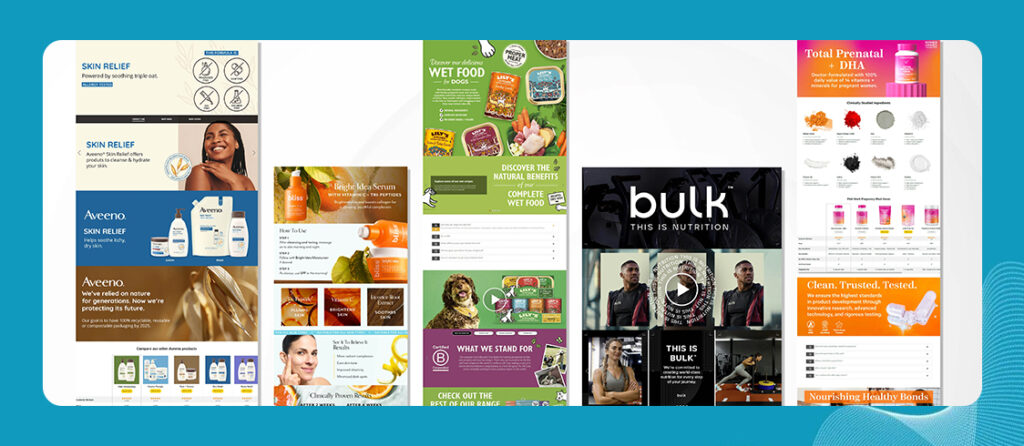
This includes:
- Videos
- Full-width banners
- Interactive hotspots
- Carousel modules
- Story-driven layouts
- Mobile-optimized premium blocks
This is also known as:
- Premium A+ Content Amazon
- Amazon Premium A Content
- Premium A Plus Content
- Premium A Plus Content Amazon
Why Premium A+ converts better
Premium A+ typically performs better because:
- Videos explain your product faster
- Interactive modules hold attention longer
- Visual storytelling builds trust
- Shoppers understand your value instantly
- Higher engagement leads to higher conversion
This deeper engagement gives your brand a competitive edge, especially in high-growth categories.
Amazon Premium A+ content sizes
Premium modules use larger visual spaces:
- Full-width images (up to 1464px)
- Horizontal carousels
- Wide-format banners
- Taller video blocks
These sizes allow more emotional, polished storytelling.
Amazon Premium A+ Eligibility Requirements
To access Premium A+ content, you must meet Amazon’s requirements:
- You must be Brand Registered.
- You must already have a high-performing A+ portfolio.
- You must maintain strong compliance scores.
- You must publish a minimum number of Basic A+ projects.
- Your SKU must meet Amazon’s quality thresholds.
These rules protect shoppers from poor-quality content and ensure brands maintain consistency.
How to get Premium A+ Content on Amazon
If you want to unlock Premium A+, you need:
- A Brand Registry account
- A minimum of 15 Basic A+ modules previously approved
- Strong seller performance signals
- A clean compliance history
- A partner like PRS who manages your catalog and ensures accuracy
PRS ensures you meet Amazon A+ content guidelines, which prevents delays or rejections.
How A+ Choice Impacts Your 3P Seller Performance
Your choice between Premium and Basic affects more than conversion. It influences every part of your 3P sales cycle.
1. Inventory Forecasting
Higher conversion means faster sell-through. Premium A+ helps PRS forecast demand more accurately.
2. Listing Optimization
Premium gives you stronger control over content, making it harder for unauthorized sellers to compete.
3. Pricing and MAP Strength
Premium A+ increases perceived value, making your pricing more defensible and stable.
4. PPC Efficiency
Better conversion = lower cost per acquisition. Premium A+ improves click-to-detail consistency for ads.
5. Customer Experience
Premium reduces confusion, which lowers return rates and improves reviews.
6. Customer Service Load
Clear visuals reduce common pre-purchase questions.
7. Brand Strategy
Premium modules let you test stronger value propositions and better storytelling.
8. Brand Protection
Premium content builds a visual identity that unauthorized sellers cannot copy easily.
Side-by-Side Comparison: Premium A+ vs Basic
| Feature | Basic A+ Content | Premium A+ Content |
| Modules | Standard | Interactive + Video |
| Conversion Lift | Good | High |
| Visual Storytelling | Limited | Deep + Immersive |
| Mobile Experience | Clean | Strong |
| Competitive Strength | Moderate | Strong |
| Ideal for | Early-stage growth | Scaling + flagship SKUs |
| Cost | Lower | Higher |
| Marketplace Impact | Limited | High differentiation |
PRS Decision Framework: Which One Should You Choose?
There is no “one-size-fits-all” answer. PRS uses a simple framework to guide brands based on product maturity and competition level.

Level 1: Choose Basic A+ for Foundation Products
Basic is enough when:
- You’re launching a new SKU
- Category competition is mild
- Your product is simple to explain
Level 2: Choose Premium A+ for Competitive Products
Premium is ideal when:
- CPCs are rising
- Your product benefits from visuals
- You want stronger ranking signals
- You need more brand authority
Level 3: Premium A+ Is Required for Premium Products
Use Premium when:
- Your product has a higher price
- You need strong storytelling
- The category is crowded
- You want long-term retail readiness
Realistic Results When Brands Upgrade to Premium A+
When brands working with PRS upgrade from Basic to Premium A+, they usually see:
- 10–20% higher conversion rates
- Lower return rates
- Better ranking stability
- Stronger perceived value
- Higher PPC performance
- More trust and better reviews
Premium A+ delivers real financial value because it improves multiple signals that drive your Amazon success.
A simple example
A brand competing in a crowded category uses Basic A+. Their CPC rises, competition grows, and conversion softens.
PRS upgrades the SKU to Premium A+ with cleaner visuals, better education, and video modules. Conversion improves, TACoS drops, and the SKU becomes easier to scale again.
This pattern is extremely common.
Conclusion
If your goal is to build a strong, scalable Amazon presence, Basic A+ is a good starting point. But Premium A+ is the right choice when you want to compete at a higher level, protect your pricing, and improve your long-term performance.
Basic A+ gives you clarity.
Premium A+ gives you advantage.
When you partner with PRS, you don’t just get design support. You get:
- Complete listing control
- MAP enforcement
- PPC management
- Inventory forecasting
- Brand protection
- Long-term strategy
Premium A+ becomes more than content, it becomes a growth engine.
If you’re ready to upgrade your listings with Amazon Premium A+ Content and unlock stronger results, PRS helps you launch premium modules that follow Amazon A+ content guidelines and deliver higher conversion from day one. Book a free consultation call now to see yourself how we’ll help you unlock premium A+ content.
FAQs
1. What is the main difference between Basic A+ and Premium A+?
Basic A+ uses standard image-and-text modules, while Premium A+ includes videos, interactive layouts, and advanced storytelling that deliver stronger conversion and brand presence.
2. When should I choose Basic A+ instead of Premium A+?
Choose Basic A+ if your product is new, simple to explain, or in a category with mild competition. It’s the right entry-level upgrade for foundation SKUs.
3. How do I qualify for Premium A+ Content on Amazon?
You must be Brand Registered, publish at least 15 Basic A+ modules, maintain a clean compliance history, and meet Amazon’s performance and content quality standards.
4. Does Premium A+ improve performance in PPC campaigns?
Yes. Premium A+ often raises conversion rates, which lowers cost per acquisition, stabilizes ranking signals, and improves your long-term PPC efficiency.
5. How does PRS decide which A+ level my product needs?
PRS uses a three-level framework:
- Basic A+ for foundation products
- Premium A+ for competitive products
- Premium A+ Required for premium or high-value SKUs in crowded categories
This ensures the content choice matches your goals, price point, and competition level.
Share