
If your Amazon listing is getting traffic but not orders, the problem is not visibility, it is conversion. A listing conversion at 5% instead of 15% means you are leaving two out of every three potential sales on the table, and Amazon’s algorithm notices. This guide breaks down exactly how to diagnose, fix, and improve…
Here’s a number that should give every independent Amazon seller pause: sellers who manage their own accounts without professional support lose an estimated 20–30% of their potential revenue to preventable operational errors, from wasted ad spend and suppressed listings to account health violations and missed reimbursements. Most sellers know Amazon is competitive. What they underestimate…
Inventory management is one of the most important drivers of long-term success for Amazon sellers. While sales, advertising, and listings often get the most attention, inventory is what keeps your business running smoothly behind the scenes. If products are out of stock, customers turn to competitors. If you overstock, storage fees and tied-up cash can…
If you are currently only selling your products on Amazon, you are missing out on major opportunities. Although Amazon remains the largest marketplace for many brands, it only accounts for 37.6% of e-commerce sales. That means a significant share of online buyers are shopping elsewhere and you are limiting your business to less than half…
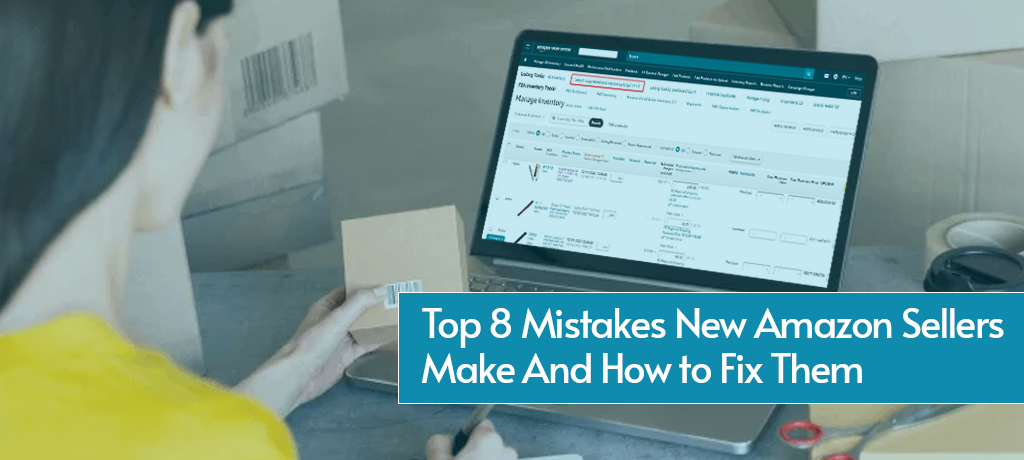
Selling on Amazon can be a great opportunity for new sellers, but getting started is not always as simple as it looks. Many new sellers jump in with high expectations, only to face unexpected challenges that hurt sales, increase costs, and slow down growth. Amazon is a highly competitive marketplace, and even small Amazon seller…
There are 2 main selling methods on Amazon – Fulfillment by Amazon, and Fulfillment by Merchant. Choosing between FBA and is one of the most critical strategic decisions you’ll make as an Amazon seller. This choice directly impacts your profit margins, operational complexity, and customer experience. This comprehensive guide provides a complete framework for making…
Moving from Amazon’s first-party (1P) vendor model to a third-party (3P) seller model is a major strategic decision for brands. In the 1P model, brands sell wholesale to Amazon through Vendor Central, while in the 3P model, they sell directly to customers through Seller Central. This shift gives brands more control over pricing, inventory, listings,…
Managing an Amazon business is not an easy task especially when the marketplace is evolving at an aggressive pace. As a seller, you have to choose one of the two ways: hiring Amazon marketing management agency or in-house team. Each approach offers benefits and comes with challenges so making the right choice is crucial. Before…
Unauthorized sellers are one of the most common challenges brands face on the Amazon marketplace. When products are sold without approval, it becomes difficult to maintain pricing control, protect listing quality, and manage brand reputation. Many brands assume Amazon will automatically remove unauthorized sellers, but in most cases, Amazon allows multiple sellers on the same…
Managing your own logistics may seem cost effective but it comes with hidden expenses that can quickly add up to the costs. Many ecommerce brands start by managing logistics in-house to stay in control of costs. Initially, self-fulfillment often feels cheaper because you don’t have to pay third-party fees and keep operations under your control….