
Apr
Amazon
Implementing a Winning Amazon 1P to 3P Transition Strategy
Moving from Amazon’s first-party (1P) vendor model to a third-party (3P) seller model is a major strategic decision for brands. In the 1P model, brands sell wholesale to Amazon through Vendor Central, while in the 3P model, they sell directly to customers through Seller Central. This shift gives brands more control over pricing, inventory, listings, and profitability, but also requires greater operational responsibility.
As more brands look for flexibility and stronger margins, the transition from 1P to 3P Amazon has become increasingly common. However, the move requires careful planning to avoid disruptions and sales performance. This guide explains the differences between Amazon 1P and 3P model, why brands prefer transition from 1p to 3p Amazon and smooth Amazon 3P migration strategy.
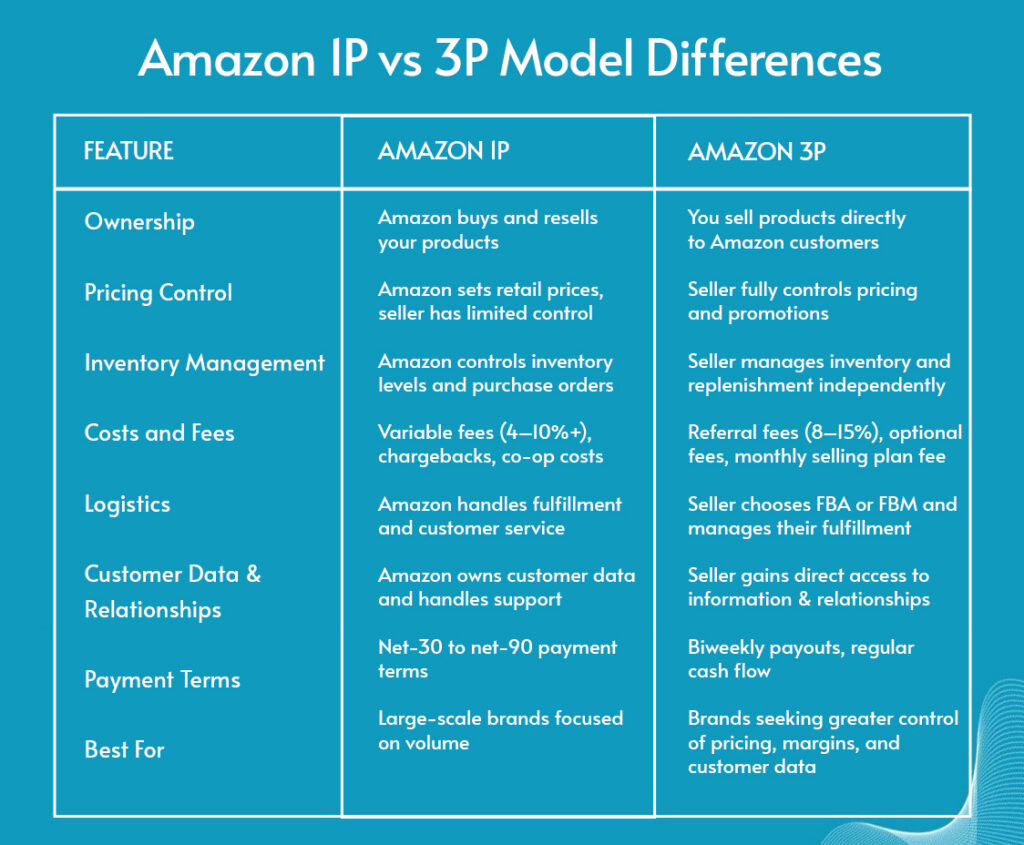
Amazon 1P vs 3P Model Differences
Understanding the differences between the Amazon 1P and 3P model is essential before planning any migration strategy. While Vendor Central offers convenience and wholesale-style operations, Seller Central gives brands greater control over pricing, inventory, customer experience, and profitability. Here is a thorough comparison of Amazon 1P vs 3P model:
Why Brands are Making Amazon 1P to 3P Transition
Many brands choose Amazon 1P to 3P transition and it can prove to be a great move for many brands. Transitioning to 3P gives brands significantly more control over pricing. This allows better margin control and results in better profitability.
As a 1P seller, brands give more control to Amazon over retail pricing, purchase orders, inventory levels, and product availability. This can create challenges when Amazon changes prices unexpectedly, or limits support for new product launches.
Transitioning from 1P to 3P gives your brand more flexibility, control, insight, and long-term success on Amazon. In a 3P relationship, you control your listings, pricing, inventory, and brand representation.
4 Key Factors to Consider for Amazon 1P to 3P Transition
The transition from 1P to 3P on the Amazon marketplace requires careful analysis and strategic planning. Each selling model presents its own set of advantages and challenges and before making the decision of transition, these are key factors to evaluate:
Business Goals
If your main objective is to gain more control over pricing, inventory, advertising, and customer experience, then the 3P model may be a better fit. Seller Central gives brands more flexibility to launch products faster, manage promotions, and improve margins.
Costs and Fees
In the 1P model, Amazon buys products at wholesale prices, but brands often face additional deductions. These hidden costs can reduce profitability over time.
In the 3P model, brands keep more control over pricing but are responsible for referral fees, fulfillment costs, storage fees, returns, and advertising spend. While 3P can improve margins, brands need to calculate whether they have enough margin available after Amazon seller fees and operational expenses.
Marketing Strategy
The Amazon 3P model provides much greater flexibility when it comes to advertising and promotions. Seller Central allows brands to launch Sponsored Products, Sponsored Brands, Sponsored Display campaigns and external traffic campaigns with more control.
Brands transitioning from 1P to 3P should have a clear marketing strategy in place to protect rankings and support product visibility during and after the migration.
Logistics and Fulfillment
Under Vendor Central, Amazon handles fulfillment after purchasing products from the brand. In Seller Central, brands need to decide whether they will use FBA, FBM, or a hybrid approach.
Before transitioning, brands should assess their inventory forecasting, warehousing, shipping processes, return handling, and replenishment capabilities. A weak fulfillment strategy can lead to stockouts, poor customer experience, and lost sales.
How to Switch Amazon Vendor Central to Seller Central
If you’ve made the decision to switch, the Amazon 1P to 3P transition doesn’t have to be overwhelming. By following this simplified Amazon vendor to 3P migration process, you can manage the switch effectively without losing sales velocity.
1. Choose a Method of Fulfilment
One of the first steps in the Amazon Vendor Central to Seller Central transition is deciding how you will fulfill orders. Most brands choose between Fulfilled by Amazon (FBA), Fulfilled by Merchant (FBM), or a hybrid model.
FBA allows Amazon to handle storage, shipping, returns, and customer service, which makes it easier to scale while maintaining Prime eligibility. FBM gives brands more control over inventory and fulfillment costs but requires stronger internal logistics capabilities. Some brands use a hybrid approach where fast-moving products are handled through FBA while oversized or low-volume products are fulfilled directly.
2. Prepare for Operational Changes
The transition from 1P to 3P Amazon comes with added operational responsibilities. Under Seller Central, brands are responsible for inventory management, forecasting, replenishment, returns, customer support, and order performance metrics.
Before making the switch, it is important to review your internal processes and make sure your team is prepared to manage these responsibilities. Brands should have clear systems for inventory planning, shipping, customer communication, and issue resolution to avoid disruptions after the transition.
3. Setup a 3P Account
To begin selling through Seller Central, brands need to create and configure a 3P account. This includes setting up payment information, tax details, shipping settings, fulfillment preferences, and account permissions.
It is also important to structure the account properly from the beginning so it can support future growth. Brands should organize user roles, reporting access, inventory settings, and marketplace expansion plans early in the setup process. A properly configured Seller Central account can make the Amazon vendor to 3P migration process much smoother.
4. Enroll in Brand Registry
Brand Registry is an important step for any brand moving from Vendor Central to Seller Central. It helps protect your listings, trademarks, product content, and brand assets from unauthorized sellers or content changes.
Once enrolled, brands gain access to valuable tools such as A+ Content, Brand Analytics, Amazon Storefronts, Sponsored Brands advertising, and listing protection features. Brand Registry also gives brands more control over how their products appear on Amazon, which is essential during the Amazon Vendor Central to Seller Central transition.
5. Ensure Pricing Control
Pricing is one of the biggest reasons brands choose to transition from 1P to 3P. Under the Vendor Central model, Amazon often controls retail pricing, which can lead to unexpected discounts and lower margins.
With Seller Central, brands can set their own pricing strategy, maintain MSRP consistency, and better protect profitability. Before making the switch, brands should establish clear pricing guidelines, MAP policies if applicable, and a plan to monitor unauthorized sellers. Strong pricing control can help prevent margin erosion and create a more stable long-term Amazon strategy.
Conclusion
The transition from Amazon 1P to 3P can help brands gain more control over pricing, inventory, advertising, and profitability. While the move requires stronger operational planning and fulfillment management, it often gives brands greater flexibility and long-term growth opportunities.
A successful Amazon Vendor Central to Seller Central transition starts with evaluating your business goals, margins and marketing strategy. With the right Amazon 3P migration strategy in place, improve profitability, and build a stronger presence on Amazon.
To maximize success and navigate the complexities of the Amazon platform effectively, partnering with an agency like Prime Retail Solutions can be a game-changer. Our experienced team can help you choose the best option between 1P and 3P model, evaluate profitability and create a smoother Amazon 3P migration strategy without losing sales.
Frequently Asked Questions
What is the difference between Amazon 1P and 3P?
Amazon 1P means you sell products wholesale to Amazon through Vendor Central, and Amazon sells them to customers. Amazon 3P means you sell directly to customers through Seller Central. The 3P model gives brands more control over pricing, inventory, listings, and profitability.
Why do brands transition from 1P to 3P on Amazon?
Brands often move from 1P to 3P to gain better pricing control, improve profit margins, reduce Amazon chargebacks, and have more flexibility over inventory and advertising. The 3P model also allows brands to launch products faster and manage their own promotions.
How do I switch from Amazon Vendor Central to Seller Central?
To switch from Amazon Vendor Central to Seller Central, brands usually create a Seller Central account, choose a fulfillment method, enroll in Brand Registry, prepare operational systems, and gradually move inventory and listings from 1P to 3P.
Is Amazon 3P more profitable than 1P?
Amazon 3P can be more profitable because brands keep control over retail pricing and avoid wholesale discounts to Amazon. However, brands also need to account for seller fees, FBA costs, storage fees, returns, and advertising spend when comparing profitability.
Can brands use both Amazon 1P and 3P at the same time?
Yes, many brands use a hybrid Amazon strategy where they sell some products through Vendor Central and others through Seller Central. This approach allows brands to keep the convenience of 1P while gaining more control over selected SKUs through 3P.
Share